Many people feel tired, low on energy, or mentally exhausted, even after a full night’s sleep. This is usually attributed to stress, age, or a hectic routine. However, in many cases, the real reason is deeper.
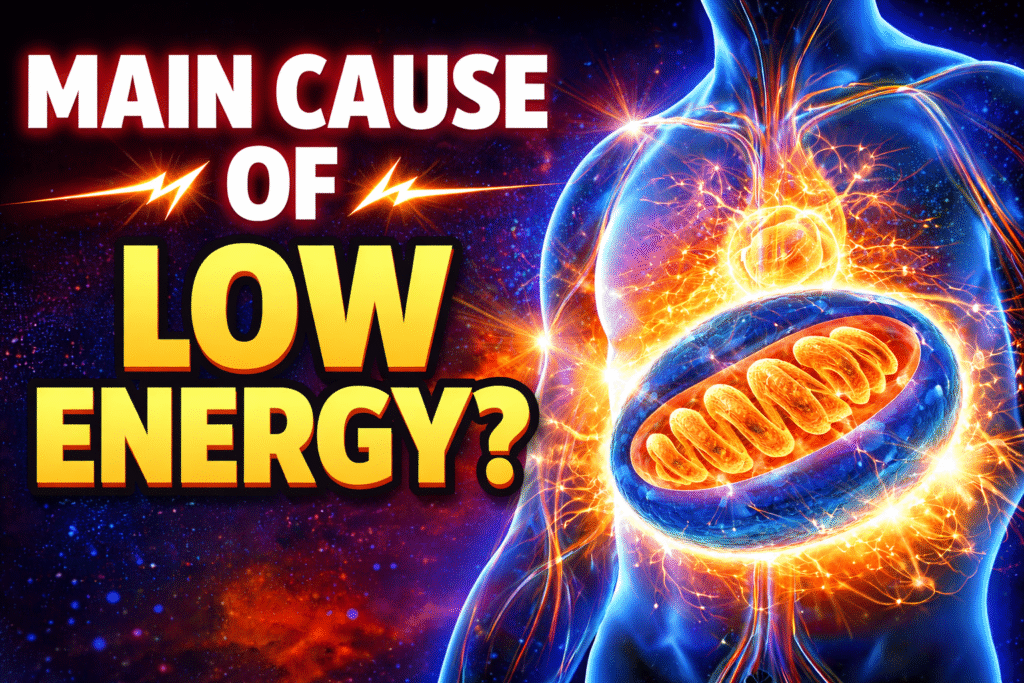
Energy in the body is produced within cells. Tiny structures called mitochondria are responsible for converting the food we eat and the oxygen we breathe into usable energy. When this process becomes less efficient, the body may begin to experience constant fatigue, low motivation, and difficulty maintaining focus throughout the day.
Over time, factors such as aging, poor nutrition, lack of physical activity, and chronic stress can reduce the body’s ability to produce energy at the cellular level. As a result, even people who sleep well and eat right can still feel exhausted.
This is why common solutions like coffee or energy drinks usually only provide a temporary boost. They don’t address how energy is actually produced within cells.
To better understand how this process works—and why supporting cellular energy is so important— this video explains this mechanism in more detail. It explains how energy production works in the body and presents a practical method focused on supporting this process at its source.
The video can help you understand why energy decreases over time and what can be done to maintain more consistent energy levels throughout the day.
Every cell depends on internal processes that support energy production.
When this process becomes less efficient — which can happen over time due to stress, aging, and nutritional gaps — the body may struggle to maintain:
For years, I thought my constant fatigue was just part of aging. Learning how metabolism actually changes after your 40s helped me understand why my energy wasn’t what it used to be. It finally connected the dots for me.